
Know The Actual Life of uPVC Windows & How to Increase it
uPVC windows have become one of the most popular choices in modern homes due to their durability, energy efficiency, and low maintenance requirements. but first,What is uPVC? uPVC stands for Unplasticized Polyvinyl Chloride, a rigid and highly durable material used in window and door manufacturing. Made from this strong polymer, uPVC windows are designed to withstand harsh weather conditions without warping, fading, or rusting. They offer excellent privacy, help reduce outside noise, maintain indoor temperature, and lower energy bills. With their long lifespan, sleek design options, and affordability, uPVC windows are now preferred over traditional wooden or metal frames in both new constructions and renovation projects.
uPVC windows have gained huge fashionability in recent times because they offer a perfect balance of continuity, style, and affordability. They’re largely resistant to rainfall changes, which means they don’t rot, rust, or fade like traditional rustic or metal windows. Homeowners prefer uPVC because it requires nearly no conservation — just occasional cleaning is enough to keep it looking new.
In addition to this, uPVC windows give excellent thermal and sound sequestration, making homes more comfortable and energy-efficient. Their ultramodern designs, multiple colour options, and secure locking systems add both aesthetic appeal and safety. Overall, the combination of long lifetime, low conservation, and cost- effectiveness makes uPVC windows a popular choice for homes and marketable structures.
Lifespan of upvc windows
uPVC windows typically last 20 to 35 years, giving you long-term durability with very little maintenance. Since they don’t rot, rust, or corrode, you don’t have to worry about weather damage or frequent repairs. Their lifespan mainly depends on the quality of the material, proper installation, and how well you maintain the hardware like locks and hinges. With just simple cleaning and occasional checks, you can keep your uPVC windows looking new and functioning smoothly for decades, making them a smart and cost-effective choice for your home.
Types of uPVC Windows
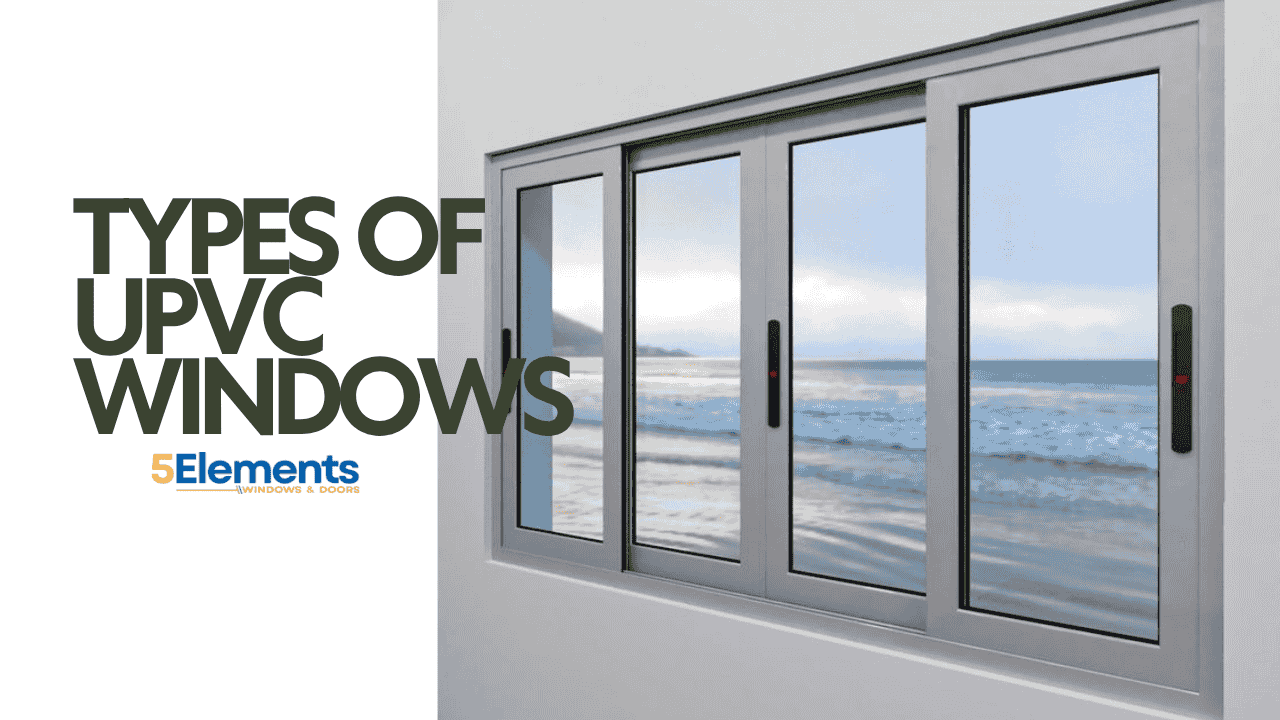
uPVC windows come in various styles to suit different needs and home designs. You can choose casement windows for maximum ventilation, sliding windows for a modern and space-saving look, or tilt-and-turn windows for flexible opening and easy cleaning. Fixed windows are perfect for bringing in natural light, while bay and combination windows enhance your room’s appearance and offer wide views. For areas that need constant airflow, louvered windows are a practical choice. These options make it easy for you to pick the right uPVC window based on your space, style, and comfort.
1.Casement uPVC Windows
uPVC Casement windows open outwards like a door, using side hinges. They allow maximum ventilation and are easy to operate, making them one of the most popular uPVC window styles for homes.
2. Sliding uPVC Windows
uPVC Sliding windows move horizontally on tracks, saving space and offering a modern, clean look. They are convenient for balconies, living rooms, and areas where you want wide, unobstructed views.
3. Tilt and Turn uPVC Windows
These windows can open in two ways—tilting from the top for airflow or turning sideways like a casement window. This dual-function design gives you better ventilation and easy cleaning from inside.
4. Fixed uPVC Windows
Fixed windows do not open and are used mainly to bring in natural light or showcase outside views. They are great for spaces where ventilation isn’t required but brightness and aesthetics are important.
5. Bay uPVC Windows
Your content goes here. Edit or remove this text inline or in the module Content settings. You can also style every aspect of this content in the module Design settings and even apply custom CSS to this text in the module Advanced settings.
6. Combination uPVC Windows
Combination windows mix two or more window styles—like fixed plus sliding or fixed plus casement—to give you both ventilation and wide views. They are customisable based on your room’s needs.
7. Louvered uPVC Windows
Louvered windows have glass or uPVC slats that can be adjusted to control airflow. They’re ideal for bathrooms, utility areas, and spaces where constant ventilation is needed.
Tips to Increase the Lifespan of uPVC Windows
To improve the overall life of uPVC window in your home, it’s important to follow a few simple maintenance practices. Even though uPVC windows are low-maintenance, regular care can help them stay strong, smooth, and long-lasting. By cleaning them properly, checking seals, avoiding harsh chemicals, operating them gently, and keeping the hardware lubricated, you can significantly extend their lifespan and maintain their performance for many years.
1. Clean Regularly
Cleaning your uPVC windows with mild soap and water helps remove dust and dirt, which keeps the material fresh and supports the long life of uPVC window in your home.
2. Check Seals
Inspect the rubber seals often to make sure they are not cracked or loose. Good seals improve insulation and prevent air or water leakage, helping your windows last longer.Your content goes here. Edit or remove this text inline or in the module Content settings. You can also style every aspect of this content in the module Design settings and even apply custom CSS to this text in the module Advanced settings.
3. Avoid Harsh Cleaners
Strong chemicals can damage the uPVC surface and reduce durability. Always use gentle cleaning solutions to protect the material and maintain its strength.
4. Use Smoothly
Avoid forcing the windows open or shut. Smooth operation prevents damage to the hinges, locks, and frames, directly increasing the window’s lifespan.
5. Lubricate Hinges
Apply lubrication to the hinges, locks, and sliding tracks once or twice a year. This keeps the moving parts smooth and prevents wear and tear over time.
5 Factors That Reduce Lifespan
Even though uPVC windows are made to last for many years, certain factors can reduce their lifetime if you’re not careful. Issues like poor installation, harsh rainfall conditions, lack of conservation, or using the wrong cleaning products can sluggishly damage the frames and tackle. Understanding these factors helps you cover your windows more and maintain their long- term performance.
1. Ignoring Regular Cleaning and Maintenance
- Dust buildup
When dust collects on the frames and glass, it can make your uPVC windows look dirty and affect smooth operation over time. - Frame stains
If you don’t clean the frames regularly, stains from pollution, rainwater, or dirt can settle in and become harder to remove, reducing the window’s appearance and durability. - Dull look
Lack of basic cleaning causes the uPVC surface to lose its shine, making your windows look older than they actually are.
2. Using Harsh Chemicals on Frames or Glass
- Color fade
Strong chemical cleaners can slowly strip the original color of uPVC, causing the frames to fade and look worn out. - Surface cracks
Harsh cleaning agents can weaken the uPVC material over time, leading to small cracks on the surface that affect both appearance and durability. - Weak shine
Chemical-based cleaners reduce the natural shine of uPVC, making your windows look dull and aged much faster.
3. Poor Installation by Unskilled Professionals
- Air leaks
When windows are not installed correctly, small gaps are left around the frame, causing air leakage and reducing insulation and comfort in your home. - Water seepage
Improper sealing allows rainwater to enter through the frame, leading to moisture problems, stains, and long-term damage. - Noise entry
Bad installation fails to block outside noise, making your rooms less peaceful and reducing the overall performance of your uPVC windows.
4. Neglecting Hardware and Moving Parts
- Hinge damage
When hinges are not cleaned or lubricated regularly, they become stiff and worn out, which can affect smooth opening and closing. - Lock loosen
Ignoring the window locks can cause them to loosen over time, reducing safety and making the window difficult to operate. - Frame misalign
Lack of attention to moving parts can cause the frame to go out of alignment, which affects the window’s fit and reduces overall performance.
5. Ignoring Early Signs of Damage
- Gaps form
If you overlook small gaps around the frame, they can grow larger over time, affecting insulation and overall window performance. - Weak seal
Damaged or loose seals may seem minor at first, but they reduce energy efficiency and allow air or moisture to enter your home. - Early wear
Small scratches, cracks, or hardware issues can turn into bigger problems when ignored, shortening the lifespan of your uPVC windows.
How to Extend the Life of uPVC Windows
Indeed, though uPVC windows are designed to last for numerous times, a little care from your side can help them stay strong, smooth, and effective for an even longer time. By following simple conservation habits and avoiding common miscalculations, you can fluently extend the life of uPVC windows and keep them looking new for times to come.
- Clean monthly
Wipe your uPVC windows once a month to remove dust and dirt. Regular cleaning keeps the frames fresh and prevents long-term stains. - Use mild soap
Always clean using mild soap and water instead of strong chemicals. This protects the surface and helps maintain the original shine of your uPVC windows. - Check seals yearly
Inspect the rubber seals at least once a year to make sure they are not cracked or loose. Good seals improve insulation and prevent air or water from entering. - Avoid rough handling
Always open and close your windows gently. Rough handling can damage hinges, locks, and frames, reducing the window’s lifespan.
Conclusion
uPVC windows are a long-lasting, low-maintenance choice for any home, but their performance and lifespan depend on how well you care for them. By cleaning regularly, avoiding harsh chemicals, checking seals, and handling the windows gently, you can keep them functioning smoothly for many years. Understanding the factors that cause early damage also helps you take the right precautions. With proper maintenance and smart usage, you can easily extend the life of uPVC windows and enjoy their durability, comfort, and efficiency for decades.
FAQ
1.What is the average life of uPVC windows?
Most uPVC windows last 20–30 years with proper care and installation.
2.How can I increase the life of uPVC windows?
Regular cleaning, gentle handling, and checking seals yearly can extend their lifespan.
3.Does weather affect the life of uPVC windows?
Yes — extreme heat or moisture can shorten their life if not maintained properly.
4.What reduces the life of uPVC windows the most?
Poor installation, harsh chemicals, and neglecting maintenance are the main reasons.
5.Are uPVC windows worth it for long-term use?
Absolutely — their long life, low maintenance, and durability make them a smart investment.