
uPVC and CPVC Difference: A Complete Guide to Uses, Benefits, and Applications
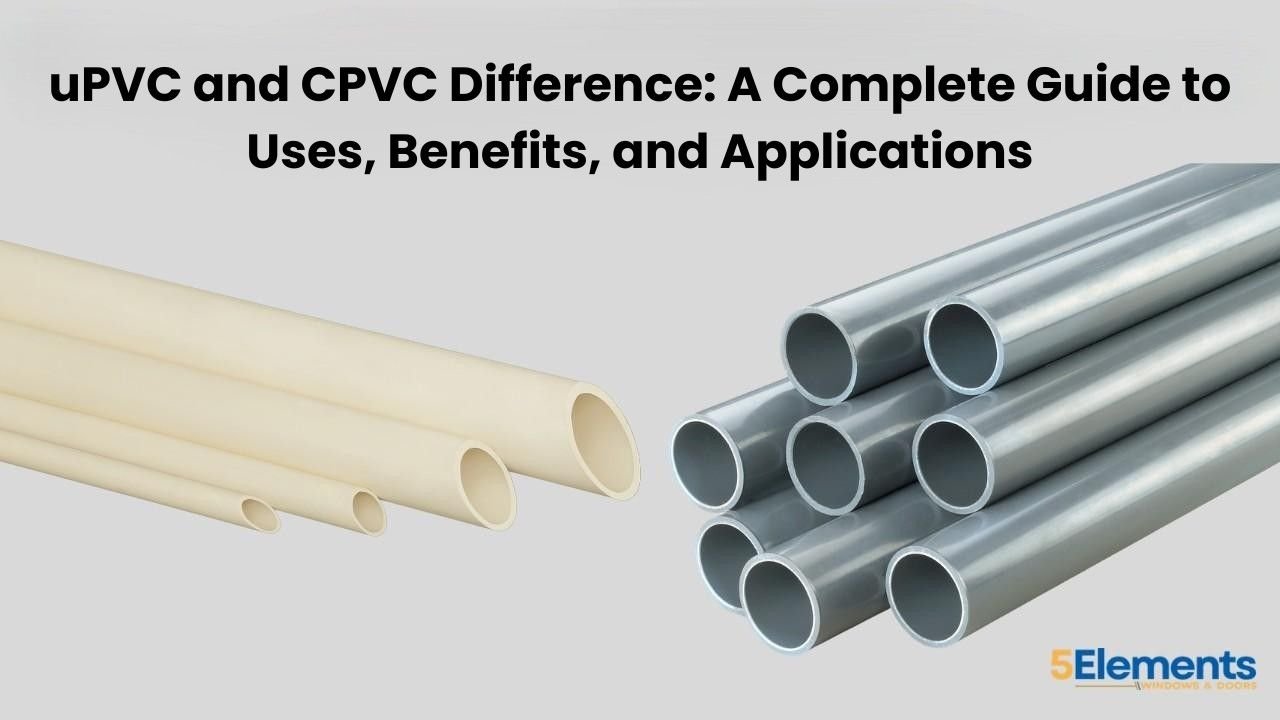
When constructing, remodelling, or doing anything involving plumbing, choosing a material is one of the most important decisions to make. For example, uPVC (Unplasticized Polyvinyl Chloride) and CPVC (Chlorinated Polyvinyl Chloride) might seem the same, but they are very different and knowing the uPVC and CPVC difference ensures all three of the following: construction, plumbing and or remodeling will be done effectively, the materials will perform as expected and the construction, plumbing or remodeling will be done at a reasonable cost to the contractor or homeowner.
While it’s true that the residential, commercial, and industrial construction markets use both uPVC and CPVC in similar ways, uPVC and CPVC difference in their characteristics, advantages, and, most importantly, uses. Being knowledgeable about CPVC and uPVC will empower the general contractor, homeowner, and even the business owner.
This is the most in-depth guide to everything plumbing-related and the materials used in that system. This guide will help you decide whether to install uPVC windows and doors or build a plumbing system that will be reliable and work as expected.
What is uPVC?
Definition
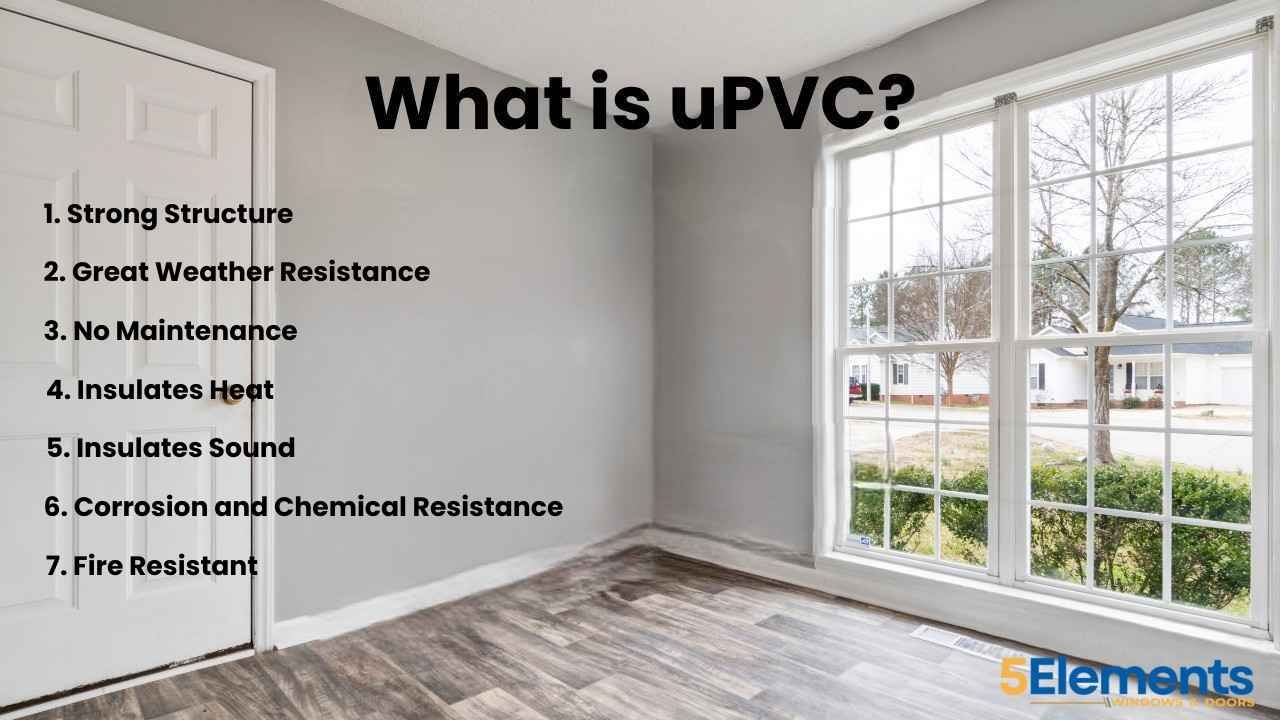
uPVC(Unplasticized Polyvinyl Chloride) is a firm kind of plastic that comes from polyvinyl chloride. Since no plasticisers are included, materials are stronger, stiffer, and more resilient.
1. Strong Structure – uPVC shows great structural rigidity and is perfect for load-bearing parts like window and door frames.
2. Great Weather Resistance – uPVC is highly resistant to dampness, rain, and sunlight, and is therefore well suited to the Indian climate.
3. No Maintenance – uPVC, unlike wood, does not need to be painted, polished, or maintained regularly.
4. Insulates Heat – uPVC helps to conserve energy by reducing the transfer of heat, thus maintaining the indoor temperatures.
5. Insulates Sound – uPVC windows are ideal for absorbing external sounds, especially in cities.
6. Corrosion and Chemical Resistance – uPVC does not corrode, rust or react to any chemicals.
7. Fire Resistant – uPVC is self-extinguishing and is difficult to ignite.
For these reasons, uPVC is extensively used in contemporary architecture, especially in windows, doors, partitions, and external cladding.
What is CPVC?
Definition
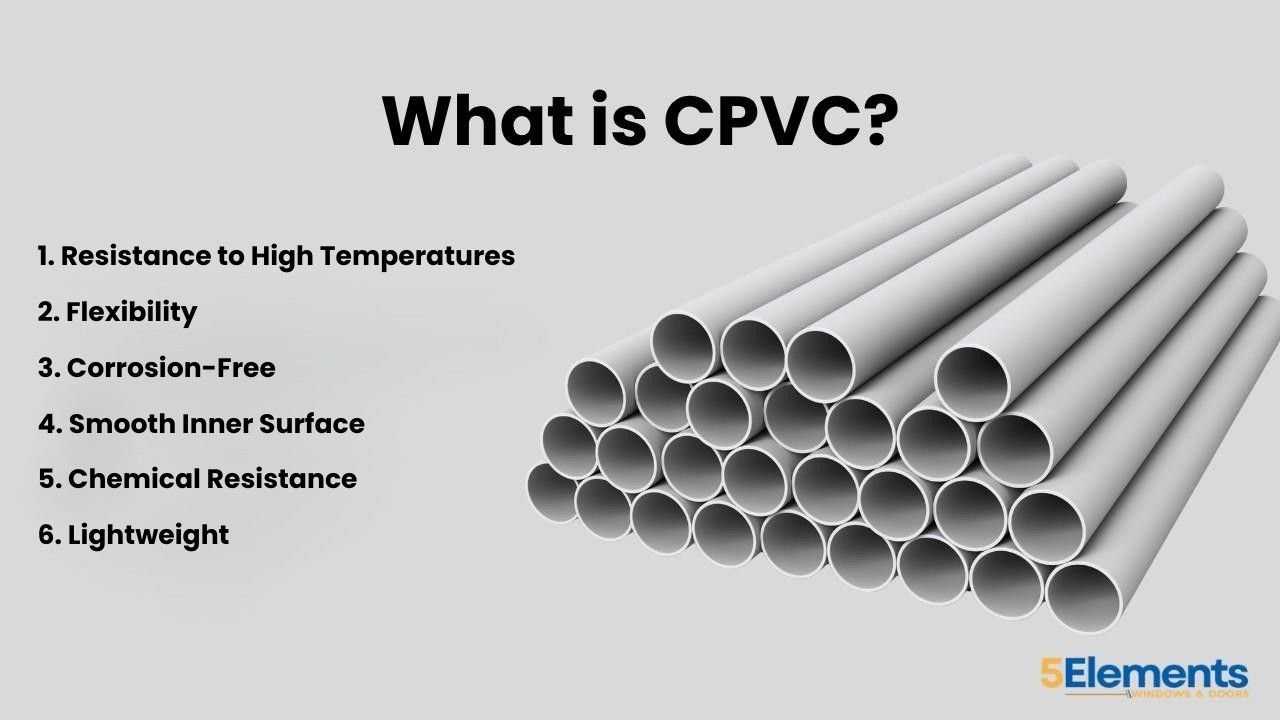
CPVC(Chlorinated Polyvinyl Chloride) is a thermoplastic that is produced by chlorination of the standard PVC resin. This process of additional chlorination improves temperature resistance and flexibility.
Key Benefits of Using CPVC
1. Resistance to High Temperatures – For CPVC, a temperature range of 90 degrees Celsius or higher is supported, making it advantageous for use in hot water systems.
2. Flexibility – uPVC is CPVC’s direct competitor; however, being more flexible than it, it allows easier installation in plumbing systems.
3. Corrosion-Free – JPVC systems are Rustic, whereas CPVC provides a lifespan of years when it comes to corrosion.
4. Smooth Inner Surface – Coatings are prone to scaling, blocking the consistent flow of water at higher velocities.
5. Chemical Resistance – Industrial use can incorporate CPVC when chemicals are present.
6. Lightweight – Simple to carry and set up, reducing labour costs.
Water distribution systems, plumbing systems and industrial pipelines have CPVC for their primary use.
uPVC and CPVC Difference
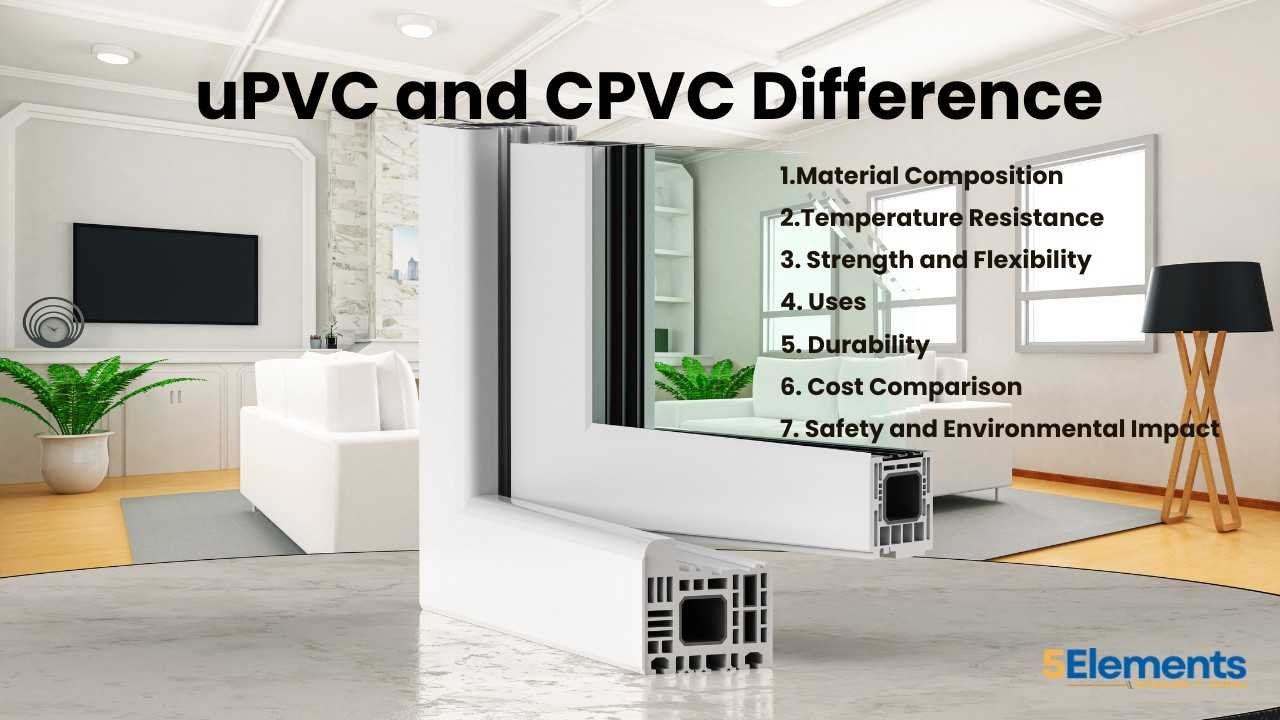
To make an informed decision, it’s important to clearly understand the uPVC and CPVC difference in terms of properties, applications, and durability.
We need to know uPVC and CPVC difference. It is listed below.
1. Material Composition
- uPVC: This is made from PVC. They do not add any plasticisers to it. This makes uPVC very strong and rigid.
- CPVC: They make CPVC by adding chlorine to PVC. This makes CPVC more flexible and able to handle temperatures.
2. Temperature Resistance
- uPVC: The thing about uPVC is that it works well in temperature environments. However, it is not the choice for hot water systems.
- CPVC: CPVC is made to handle high temperatures. This makes CPVC perfect for pipelines that carry cold water.
3. Strength and Flexibility
- uPVC: This material is really strong and rigid, which makes it perfect for building applications.
- CPVC: This type of material is a bit flexible, and that is really helpful when you are putting in pipes and doing plumbing work.
4. Uses
- uPVC
Windows and doors are made with uPVC
- Frames and partitions are also made with uPVC
- Drainage systems often use uPVC
- Applications for building use uPVC
- CPVC
- Hot and cold water pipes are made with CPVC
- Industrial pipelines are made with CPVC
- Fire sprinkler systems use CPVC for the pipes
5. Durability
- uPVC: Long-lasting in outdoor environments and resistant to UV rays.
- CPVC: CPVC is strong. Works well in plumbing systems, but it does not do well when it is in the sun for a long time.
6. Cost Comparison
- uPVC is usually a choice when you want to save money on structural things.
- CPVC costs a little more than uPVC because it has some good qualities that make it better.
7. Safety and Environmental Impact
Both materials are recyclable
- CPVC is perfectly fine for drinking water.
- uPVC is an eco- material, and it is energy-efficient too.
Advantages of uPVC
Before exploring the benefits, it’s important to know the upvc and cpvc difference in practical applications.
The advantages of uPVC make it a great building material:
1. Energy Efficiency
uPVC helps keep homes warm in winter and cool in summer, which means you use less air conditioning and save on electricity bills with uPVC.
2. Low Maintenance
You do not need to paint, polish or seal uPVC products. Just clean them sometimes.
3. Long Lifespan
uPVC products last for years and still work well.
4. Weatherproof
uPVC is perfect for places with a lot of rain, humidity and heat, which makes uPVC a good choice.
5. Noise Reduction
Ideal for homes near roads, cities, or commercial areas.
6. Stylish Designs
You can get uPVC in colours and finishes, which makes your home look nicer with uPVC windows and doors.
7. Eco-Friendly
uPVC can be recycled, which makes it good for the environment and helps with building using uPVC.
These benefits make uPVC the top choice for uPVC windows and doors.
Advantages of CPVC
The advantages of CPVC make it essential for plumbing and industrial use:
1. Heat Resistance
Handles hot water efficiently without getting damaged or changing shape.
2. Corrosion Resistance
CPVC is better than metal pipes because it does not rust or corrode
3. Easy Installation
It is manageable and lightweight.
4. Long-Lasting Performance
Over time, it is difficult to break down.
5. Safe for Water Supply
It keeps the water clean and pure.
6. Chemical Resistance
Suitable for industrial fluid transport.
Applications of uPVC and CPVC
uPVC Applications
uPVC is widely used in:
- uPVC windows and doors
- Sliding and casement windows
- Office partitions
- Wall cladding
- Electrical insulation
- Drainage systems
For brands like 5 Elements uPVC Windows and Doors, uPVC is the backbone of durable and modern home solutions.
CPVC Applications
CPVC is used in:
- Residential plumbing
- Hot water pipelines
- Industrial liquid transport
- Fire sprinkler systems
- Chemical industries
uPVC vs Other Materials
uPVC vs Wood
- uPVC is termite-proof, wood is not
- UPVC requires less maintenance
- Wood offers traditional aesthetics but needs upkeep
uPVC vs Aluminum
- uPVC offers better insulation
- Aluminum is stronger but conducts heat
- uPVC is more energy-efficient
- uPVC is stronger and more rigid
- PVC is flexible and used for general purposes
Conclusion
Knowing the uPVC and CPVC difference material is really important because it helps you pick the one for what you need. If you are looking for something for your windows or doors or for building structures, then you should choose uPVC. If you are working with plumbing or systems that use hot water, then you should choose CPVC. Both uPVC and CPVC are very important in building things today because they last a long time and help you save money.
By understanding what makes uPVC and CPVC different, you can make a choice that will work well for a long time. By now, you should have a clear idea of the uPVC and CPVC difference and how each material serves different needs.
FAQ
1. What distinguishes uPVC from CPVC?
uPVC is utilised for structural applications such as windows, whereas CPVC is employed for plumbing and can withstand elevated temperatures
2. What benefits do CPVC pipes offer?
They are resistant to heat, free from corrosion, and appropriate for both hot and cold water systems.
3. Which is preferable for residential use: uPVC or CPVC?
Both are beneficial—uPVC for windows and CPVC for piping.
4. Is CPVC safe for drinking water?
CPVC is okay for drinking water. People use it for water pipes.
5. Can uPVC be used outdoors?
You can use uPVC outside because uPVC can handle the weather and the sun’s rays.