
7 Powerful Differences Between Single Hung vs Double Hung Windows You Must Know
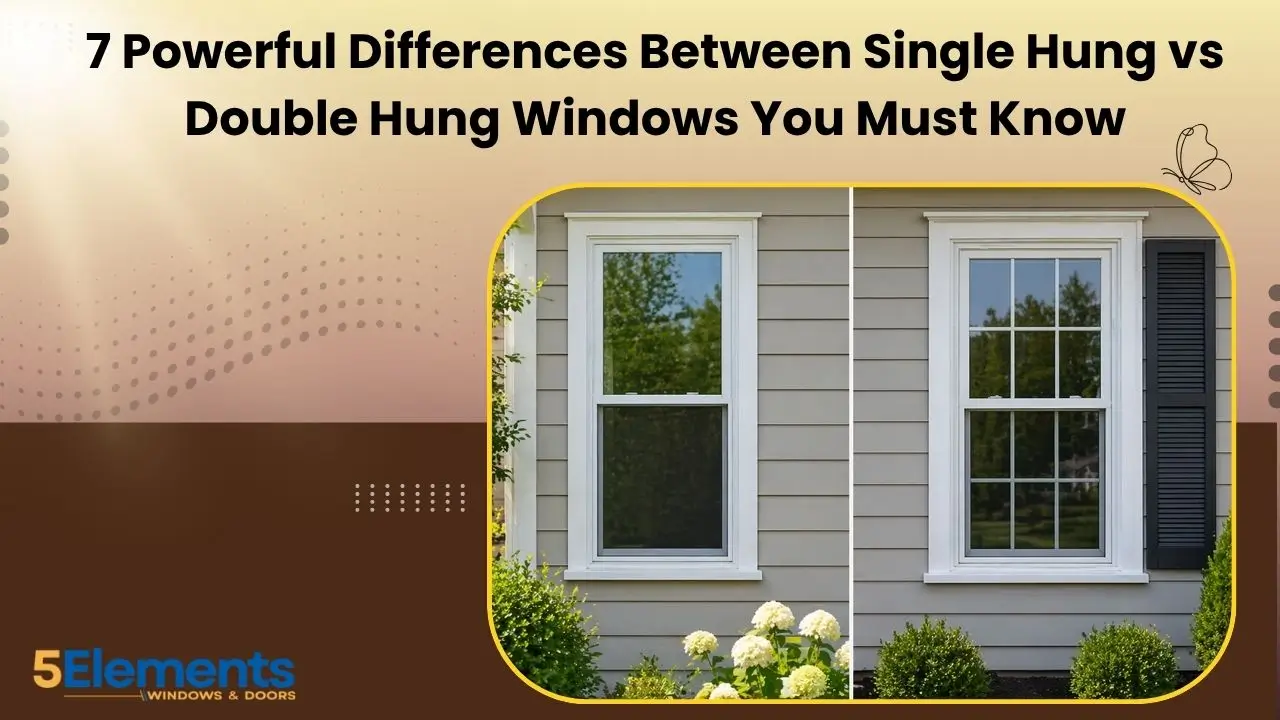
Windows play an important role in your home’s comfort, ventilation, and overall design. Among the most popular choices are hung windows, which feature sliding sashes that move vertically. The two main types are single hung and double hung windows.
Understanding the single-hung vs double-hung windows is important. Both windows are commonly made from durable materials such as uPVC, aluminum, wood, fiberglass, and composite. Advantages of uPVC windows include durability, energy efficiency, low maintenance, and excellent weather resistance. Read uPVC windows vs wooden windows to know more about materials.
What Are Single Hung Windows?

Single hung windows are a traditional and widely used window type with two sashes, where only the bottom sash is movable while the top sash remains fixed. The bottom sash can be slid upward to allow air into your home, while the top part does not open.
Basic Features
Simple and classic design:
It offers a timeless look that suits both traditional and modern homes, making it a versatile choice for any property style.
Only one movable panel:
The bottom sash moves while the top remains fixed, which makes operation simple and easy to use.
Cost-effective option:
It is an affordable choice for homeowners looking to reduce window installation costs without losing basic functionality.
Less mechanical complexity:
With fewer moving parts, it reduces the chances of wear and long-term maintenance issues.
What Are Double Hung Windows?
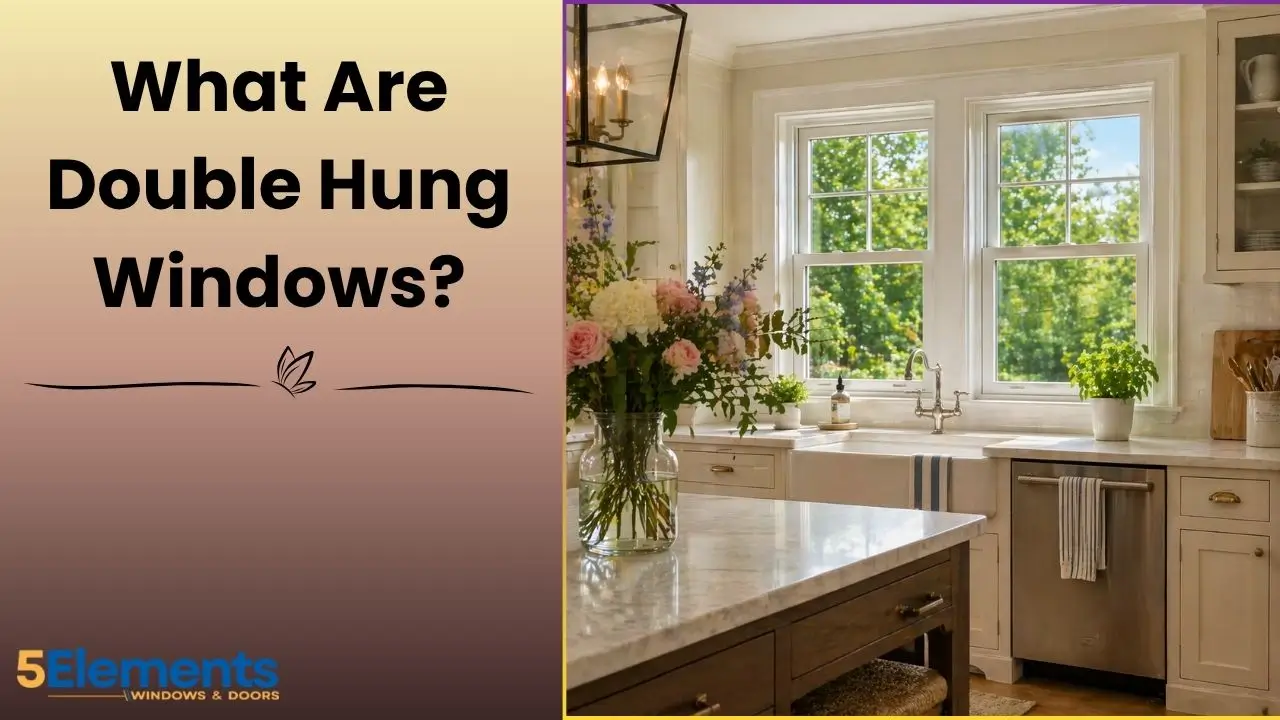
Double hung windows are a modern and flexible option that offers better functionality compared to traditional window styles. Both the top and bottom sashes can move, giving you more control over ventilation and airflow. This design helps improve indoor comfort by allowing better air circulation. It also adds convenience and versatility, making it a popular choice for many homeowners.
Key Features
Two movable sashes for improved usability:
Both the top and bottom sashes can move, making the window more flexible to use. This allows better control over how much you open the window for comfort.
Enhanced airflow and ventilation control:
Opening both sashes helps create better air circulation inside the room. It allows fresh air to enter while letting warm air escape.
Tilt-in feature makes cleaning quick and convenient:
The tilt-in design makes it easy to clean both sides of the glass from inside. This saves time and effort, especially for upper floors.
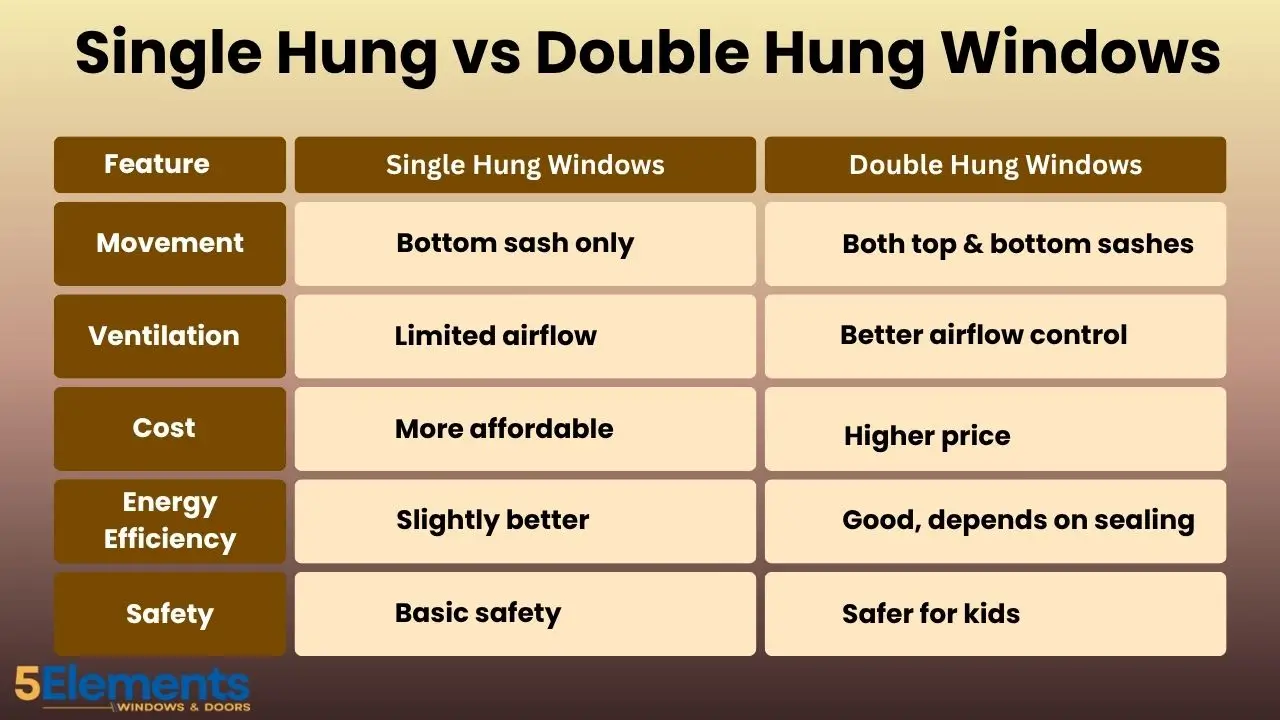
Single Hung vs Double Hung Windows
Advantages of Single Hung Windows
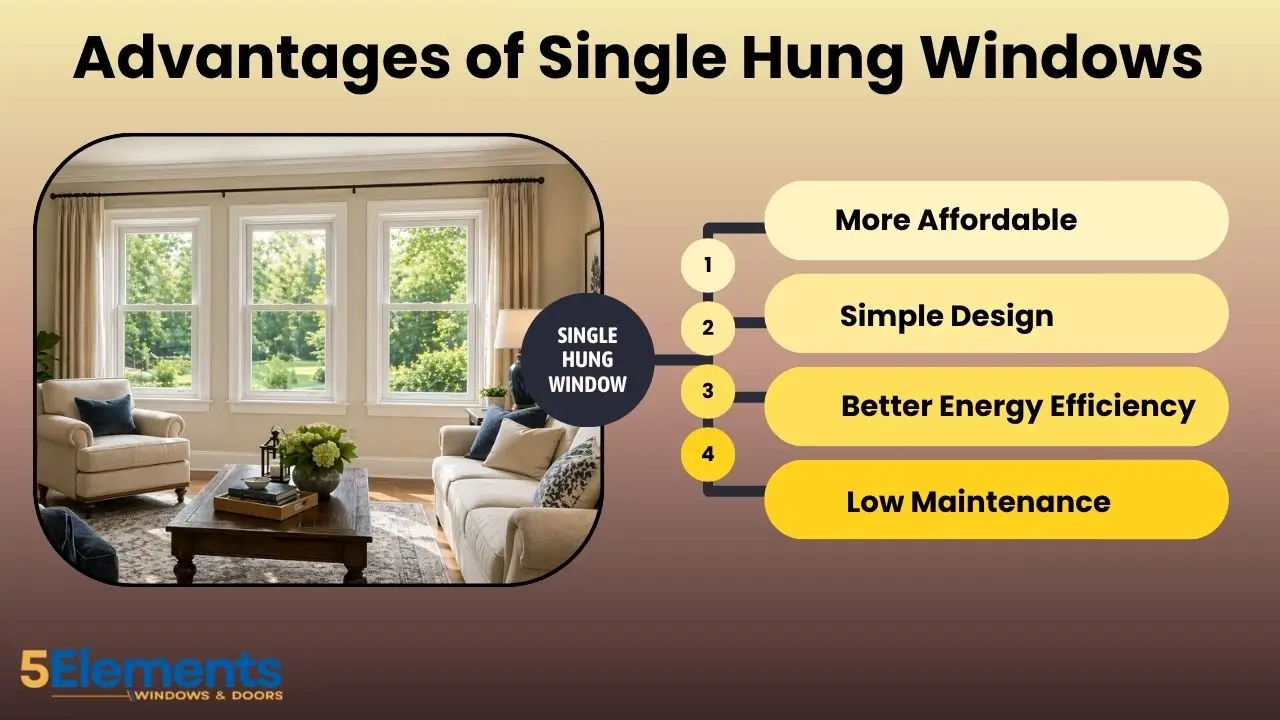
1. More Affordable
Single hung windows are generally more budget-friendly compared to other window types. This makes them a great choice for homeowners looking to reduce overall project costs. They offer essential functionality without compromising basic performance.
2. Simple Design
Single hung windows have a straightforward and classic structure. With fewer moving parts, they are less likely to face mechanical issues over time. This simple design also adds to their durability and reliability.
3. Better Energy Efficiency
Only one movable sash reduces the chances of air leakage. This helps maintain indoor temperature more effectively. As a result, it can contribute to better energy savings.
4. Low Maintenance
Less hardware means there are fewer components that can wear out. This reduces the need for frequent repairs or replacements. It makes maintenance simple and hassle-free over time.
Advantages of Double Hung Windows
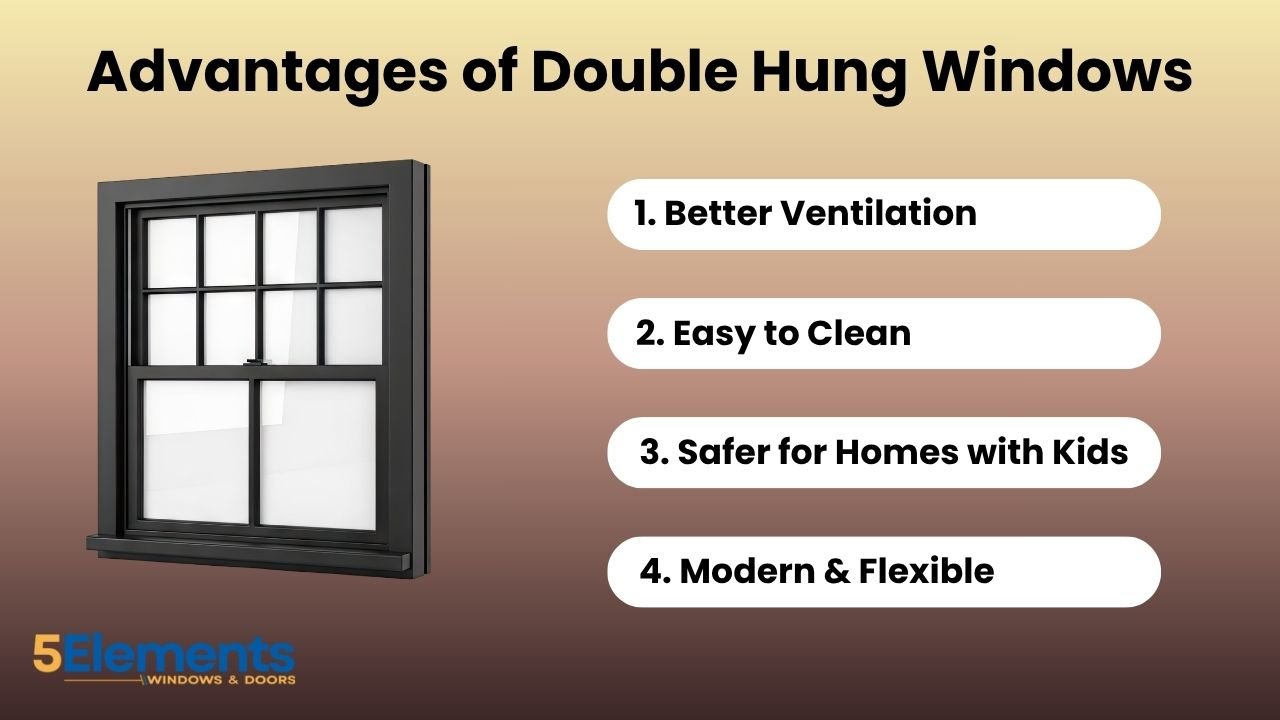
1. Better Ventilation
Both the top and bottom sashes can be opened to improve airflow. This allows warm air to escape while letting fresh air enter. It helps maintain a more comfortable indoor environment.
2. Easy to Clean
Most double hung windows include a tilt-in feature for easy cleaning. This allows both sides of the glass to be cleaned from inside the home. It is especially useful for upper floors.
3. Safer for Homes with Kids
The top sash can be opened while keeping the bottom sash closed. This reduces the risk of children accessing the open window. It provides a safer ventilation option for families.
4. Modern & Flexible
Double hung windows offer a clean and modern appearance. Their flexible design suits different room needs and styles. They combine functionality with a visually appealing look.
Disadvantages of Single Hung Windows
1. Limited ventilation options:
Only the bottom sash opens, which restricts the amount of fresh air entering the room. This can make the space feel less airy compared to other window types.
2. Cleaning the exterior can be difficult:
The fixed top sash makes it hard to reach and clean the outside glass from indoors. This becomes more challenging for windows on higher floors.
3. Less flexibility in airflow control:
You cannot adjust airflow from different openings like in more advanced window designs. This limits your ability to manage indoor temperature and comfort effectively.
Disadvantages of Double Hung Windows
1. Higher upfront cost:
Double hung windows are more expensive than single hung options due to their advanced design. This can increase the initial investment for your project.
2. Slightly more maintenance due to additional moving parts:
More components mean there is a higher chance of wear over time. Regular maintenance helps keep the window functioning smoothly.
3. Potential for minor air leakage if not properly sealed:
Improper installation or sealing can lead to small air gaps. This may reduce energy efficiency if not addressed properly.
Single Hung vs Double Hung Windows: Cost Comparison
Single hung windows are a lower-cost option, making them suitable for budget-friendly projects, while double hung windows are typically 20–40% more expensive due to their added features. Both types are relatively easy to install, although double hung windows may require slightly more precision during fitting. In terms of long-term value, double hung windows often provide better convenience and usability. This makes them a worthwhile investment for homeowners looking for flexibility and ease of maintenance.
Which One Should You Choose?
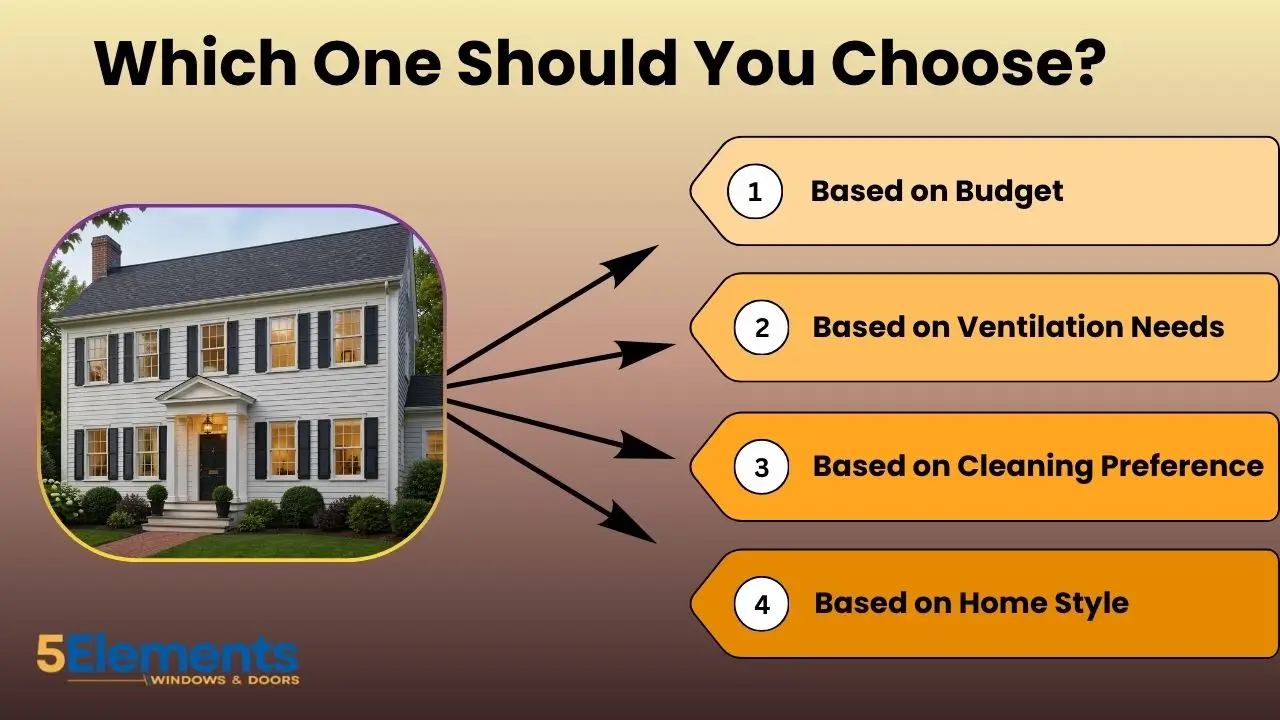
1. Based on Budget
Single hung windows are a cost-effective option for homeowners who want to save money. They offer good functionality at a lower price point. This makes them ideal for budget-friendly projects.
2. Based on Ventilation Needs
Double hung windows are better if you need improved airflow and ventilation. They allow both sashes to open for better air circulation. This helps maintain a more comfortable indoor environment.
3. Based on Cleaning Preference
Double hung windows are the best choice for easy and convenient cleaning. The tilt-in feature allows you to clean both sides from inside the home. This is especially useful for upper-floor windows.
4. Based on Home Style
Double hung windows suit modern and contemporary home designs. Single hung windows fit well with traditional and classic styles. The choice depends on the overall look you want for your home.
Best Places to Use Single vs Double Hung Windows
Single Hung Windows:
These are ideal for bedrooms, basements, rental properties, and budget projects where simplicity and cost savings are important. They work well in spaces that do not require advanced ventilation or frequent cleaning.
Double Hung Windows:
These are best suited for kitchens, living rooms, upper floors, and modern homes where better airflow and convenience are needed. They are perfect for areas that require easy cleaning and flexible ventilation.
Install sash windows to improve ventilation, natural light, and home style, with durable and energy-efficient performance.
Maintenance Tips for Single Hung vs Double Hung Windows
1. Clean window tracks regularly:
Dust and debris can affect smooth sash movements. Regular cleaning helps both window types operate separately.
2. Check seals and weatherstripping:
Inspect seals to prevent air leakage and improve energy efficiency. Replace damaged strips when needed.
3. Lubricate moving parts:
Apply suitable lubricant to locks and sliding components. This helps the windows open and close smoothly.
4. Inspect for moisture damage:
Look for signs of water damage, mould, or wood rot around the frame. Early repairs can prevent costly issues.
5. Test locks and safety features:
Make sure the lock functions correctly for security and safety. Replace faulty hardware if necessary.
6. Schedule routine maintenance:
A yearly inspection can extend the window’s lifespan and maintenance performance. This is especially used for older windows.
Conclusion
When comparing single hung vs double hung windows, the main differences come down to functionality, cost, and convenience. Single hung windows are affordable and simple, while double hung windows offer better ventilation, easier cleaning, and greater flexibility.
The right choice depends on your needs, budget, and lifestyle. If you want a cost-effective solution, go with single hung. If you value comfort and convenience, double hung windows are worth the investment.
FAQs
1. Which is better: single hung or double hung windows?
It depends on your needs. Single hung windows are budget-friendly, while double hung windows offer better ventilation and ease of use.
2. Are double hung windows more energy efficient?
They can be, but single hung windows often have fewer air leaks due to fewer moving parts.
3. Why are double hung windows more expensive?
Because they have two movable sashes and more advanced features like tilt-in cleaning.
4. Are single hung windows outdated?
No, they are still widely used, especially in traditional and budget-friendly projects.
5. Can I replace single hung windows with double hung?
Yes, most homes can upgrade to double hung windows with proper installation.